

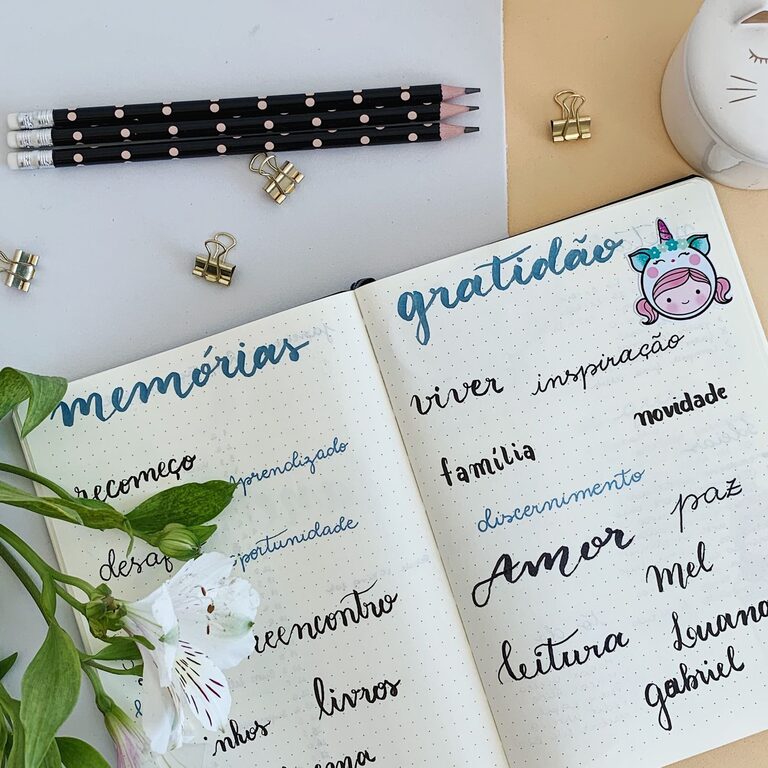
Journaling is a simple yet powerful way to gain clarity, reflect on your day, and boost your well-being. If you’ve never tried journaling before, starting a daily practice might feel overwhelming. This beginner guide will walk you through easy steps to help you build a journaling habit that fits your lifestyle. By the end, you’ll have everything you need to enjoy the benefits of writing every day.
Why Journal Every Day?
Journaling isn’t just about recording what happened—it’s a tool for self-discovery and growth. Here are some reasons why daily journaling can be beneficial:
– Improves mental clarity: Writing down your thoughts helps organize your mind and focus on what matters.
– Reduces stress: Expressing emotions on paper can help release tension and calm your mind.
– Tracks progress: Journaling lets you review your goals and celebrate small wins.
– Boosts creativity: Regular writing encourages new ideas and perspectives.
– Builds self-discipline: Committing to a daily habit strengthens your overall routine.
What You Need to Get Started
One of the best parts about journaling is that you don’t need fancy tools or special training. Here’s what you’ll need:
– A journal or notebook: Choose any notebook you like. It could be a plain journal, a planner, or even a digital app.
– A pen or pencil: Pick something comfortable to write with.
– A quiet spot: Find a place where you can focus without interruptions, even if just for a few minutes.
– A timer (optional): To keep your sessions short and manageable, consider setting a timer.
How to Start Journaling Daily
1. Set a Specific Time
Consistency is key when starting a new habit. Decide on a regular time each day to journal. Many people find morning or evening journaling works well.
– Morning journaling helps set intentions for the day.
– Evening journaling allows for reflection before bed.
2. Start Small
Begin with just 5 minutes a day. Writing for a short, fixed time prevents overwhelm and helps build momentum. You can always increase the time once you get comfortable.
3. Pick a Simple Format
You don’t need to write pages of text. Here are some easy formats to try:
– Free writing: Write anything that comes to mind without worrying about structure.
– Gratitude list: Note three things you’re thankful for.
– Daily highlights: Write about the best moments of your day.
– Prompts: Answer a question or use a prompt to guide your writing. For example:
– What made me smile today?
– What challenges did I face and how did I handle them?
– What is one thing I want to improve?
4. Make It Enjoyable
Choose a journal that feels inviting and a pen that’s comfortable. You might also play soft music, have a cup of tea, or journal in your favorite cozy spot to make the experience pleasant.
5. Don’t Worry About Perfection
Your journal is for your eyes only, so there’s no need to worry about grammar or neat handwriting. Focus on expressing yourself honestly and freely.
Tips to Keep Journaling Every Day
– Use reminders: Set phone alarms or sticky notes to remind you.
– Connect your journaling to another habit: For example, journal right after brushing your teeth or having your morning coffee.
– Be flexible: If you miss a day, don’t get discouraged. Just start again the next day.
– Mix it up: Change your journaling style or use different prompts to keep things fresh.
– Review your entries: Occasionally read past entries to reflect on your growth.
Overcoming Common Challenges
1. “I don’t know what to write.”
Try starting with a simple question such as “How am I feeling right now?” or “What am I looking forward to?” Prompts can jumpstart your thoughts.
2. “I’m too busy.”
Remember, even five minutes count. You can jot down a quick list or bullet points instead of writing paragraphs.
3. “My handwriting is messy.”
Your journal is private, so let your handwriting be what it is. Alternatively, try journaling on a phone or computer.
Digital vs. Paper Journaling
Choosing between digital and paper journaling depends on your preference.
– Paper journaling can feel more tangible and personal. Some people enjoy the sensory experience of writing by hand.
– Digital journaling offers convenience and easy access. Apps often include prompts, reminders, and password protection.
Try both options to see what works best for you.
Conclusion
Building a daily journaling habit is a rewarding journey that boosts mindfulness, creativity, and emotional well-being. By setting aside a few minutes each day, choosing a simple method, and removing pressure, anyone can enjoy the benefits of writing regularly. Give it a try—you might find that journaling becomes your favorite daily ritual.
Happy journaling!