

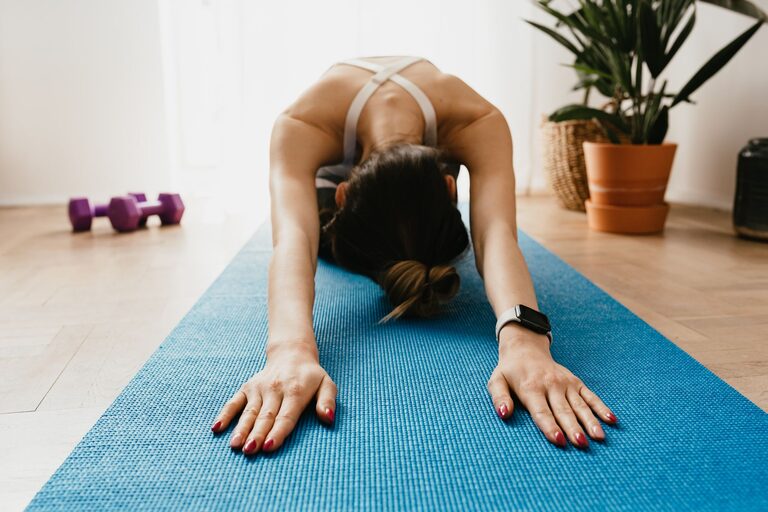
Stretching is a simple and effective way to improve your flexibility, reduce muscle tension, and promote overall wellness. You don’t need a gym membership or fancy equipment to start stretching; your own home provides a perfect space to begin this healthy habit. This beginner’s guide will walk you through the basics of stretching at home, including why it matters, how to do it safely, and some easy stretches you can try right now.
Why Stretching Matters
Stretching helps maintain and improve the range of motion in your joints and muscles. This can lead to better posture, improved circulation, and reduced risk of injury during physical activity. For many people, regular stretching also helps relieve stress and muscle stiffness, making it a great way to unwind after a busy day.
When to Stretch
You can incorporate stretching into your daily routine at different times:
– After waking up: Help your body gently transition from rest to activity.
– Before exercise: Prepare your muscles and joints for movement (focus on dynamic stretches).
– After exercise: Help muscles relax and recover (focus on static stretches).
– During breaks: Break up periods of sitting with simple stretches to reduce stiffness.
Stretching Safety Tips
Before you begin, keep these essential safety tips in mind:
– Warm up your body: Stretching cold muscles can cause injury. Try light walking or marching in place for 3-5 minutes.
– Stretch gently: Avoid bouncing or jerky motions. Use slow, controlled movements.
– Listen to your body: Stretch to the point of gentle tension, not pain.
– Breathe deeply: Don’t hold your breath while stretching.
– Be consistent: Aim to stretch at least 3-4 times a week for best results.
– Modify as needed: If you have any injuries or medical conditions, consult a professional or modify stretches accordingly.
Types of Stretching
There are two primary types of stretching to know as a beginner:
Static Stretching
This involves holding a stretch in a comfortable position for about 15-30 seconds. Static stretches increase flexibility and are best done post-exercise or during cool-downs.
Dynamic Stretching
Dynamic stretches involve moving parts of your body through a full range of motion, usually in a controlled, rhythmic manner. These are ideal before workouts to prepare your muscles.
Basic Stretches to Try at Home
Here are some beginner-friendly stretches you can do without any equipment.
1. Neck Stretch
– Sit or stand tall.
– Slowly tilt your head to the right, bringing your ear toward your shoulder.
– Hold for 15-20 seconds.
– Repeat on the left side.
2. Shoulder Rolls
– Sit or stand with your back straight.
– Roll your shoulders forward in a circular motion 10 times.
– Then roll them backward 10 times.
3. Chest Opener
– Clasp your hands behind your back.
– Straighten your arms and gently lift your chest while squeezing your shoulder blades together.
– Hold for 20 seconds and breathe deeply.
4. Seated Forward Bend
– Sit on the floor with your legs extended straight.
– Keeping your back straight, slowly lean forward from your hips.
– Reach for your toes or as far as comfortable.
– Hold for 20-30 seconds.
5. Cat-Cow Stretch (Spine Mobility)
– Start on all fours with your wrists under shoulders and knees under hips.
– Inhale as you arch your back (cow pose), lifting your head and tailbone.
– Exhale as you round your back toward the ceiling (cat pose), tucking your chin and tailbone.
– Repeat 10 times.
6. Standing Quadriceps Stretch
– Stand tall and hold onto a chair or wall for balance.
– Bend your right knee and bring your heel toward your buttocks.
– Hold your ankle with your right hand.
– Keep knees close together and hold for 20 seconds.
– Repeat on the left side.
7. Hamstring Stretch
– Stand with feet hip-width apart.
– Step your right foot forward with toes pointing up.
– Keeping your back straight, gently hinge at the hips and lean forward over your right leg.
– Hold for 20 seconds, then switch legs.
8. Calf Stretch
– Stand facing a wall.
– Place your hands on the wall at shoulder height.
– Step your right foot back, keeping it flat on the ground.
– Bend your left knee slightly and lean forward.
– Hold for 20 seconds, then switch legs.
Creating Your Stretching Routine
To make stretching a habit, try building a simple routine that fits your lifestyle. Here’s an example:
– Warm up: 3-5 minutes of light cardio (marching, walking).
– Dynamic stretches: Shoulder rolls, cat-cow stretch.
– Static stretches: Neck stretch, chest opener, seated forward bend, quad stretch, hamstring stretch, calf stretch.
– Total time: 15-20 minutes.
You can do this routine daily or at least 3 times a week. Adjust the intensity and duration as you gain flexibility.
Additional Tips for Success
– Wear comfortable clothing that allows free movement.
– Use a yoga mat or soft surface for floor stretches.
– Stay hydrated.
– Combine stretching with other gentle activities like walking or yoga.
– Track your progress by noting how your flexibility improves over time.
Conclusion
Stretching at home is a practical and enjoyable way to enhance your flexibility, reduce muscle stiffness, and improve your overall health. Starting with simple movements and building a regular habit can make a big difference in how your body feels day to day. Remember to stretch safely, listen to your body, and stay consistent. Soon, stretching will become a refreshing part of your daily routine!
Give it a try today and enjoy the many benefits of flexibility and relaxation right in the comfort of your own home.